Is it anxiety or heart problems? Anxiety comes on when you're stressed, worried, or panicking, and heart problems are more likely to happen during physical activity. You can deal with these issues by consistently staying physically active, keeping your mind calm with relaxation habits, and staying socially connected and talking about your worries.
According to the World Health Organization (WHO), around 4.4% of the global population has an anxiety disorder, which makes it the most common of all mental disorders. At the same time, heart disease is the top cause of death globally, so it's reasonable for older adults in Cary, NC, to be wary of both issues.
Neither are pleasant to deal with, and how do you know if it's anxiety or heart problems anyway?
How Do I Know if I Have Heart Problems or Anxiety?
It can be difficult to tell the difference between heart problems and anxiety since they often share similar symptoms. They include:
- Chest tightness
- Shortness of breath
- Dizziness
- Racing heartbeat
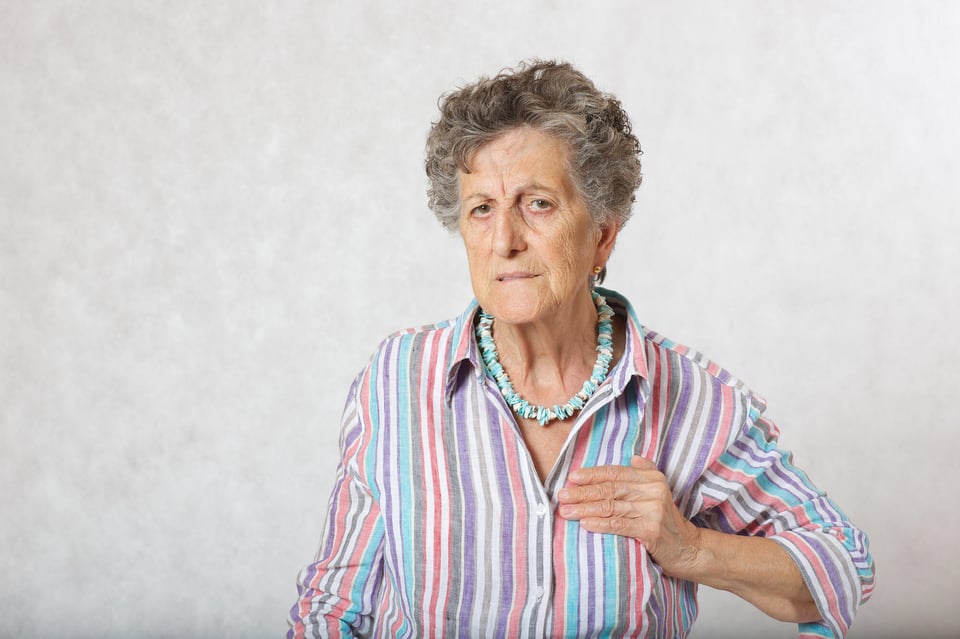
If you experience any of the above, then it can be scary, as you can't tell if it's a serious health issue or anxiety that needs to be controlled.
The main way to tell the difference between heart problems and anxiety is this: Anxiety symptoms usually come on when you're stressed, worried, or panicking. They may improve when you calm down, rest, or change your focus.
On the other hand, heart-related symptoms are more likely to appear during physical activity. Also, they might have warning signs, like:
- Pain spreading to the arm, jaw, or back
- Sudden weakness
- Nausea
Either way, it's important to never ignore new or unusual symptoms. If the discomfort is severe, sudden, or feels different than before, get medical help immediately. Even if it turns out to be nothing serious, it's better to be safe than to be sorry.
How to Deal With Anxiety as You Get Older?
Heart health and stress go hand-in-hand, so you must address your anxiety. By doing so, you can decrease strain on your heart and experience better overall well-being.
Here are the ways you can deal with anxiety and heart problems effectively.
Consistently Stay Physically Active
Exercise is one of the most effective and natural ways to reduce anxiety as you get older. Physical activity helps release endorphins, which are natural mood boosters that can reduce muscle tension and stress hormones.
Consider the following for better emotional and physical wellness:
- Walking
- Stretching
- Chair exercises
- Swimming
- Light yoga
If you exercise daily, you can also add structure to your day, which can be comforting and stabilizing. In addition, you'll improve your sleep quality, which often means less anxiety during the day.
Keep Your Mind Calm With Relaxation Habits
One of the top senior wellness tips we can give you is to calm your mind with simple relaxation habits. They include:
- Deep breathing
- Listening to calming music
- Praying
- Meditating
- Journaling
- Spending quiet time in nature
Whatever you choose, it'll help slow your heart rate and relax your nervous system. As a result, you'll reduce racing thoughts.
What's great is that even five to ten minutes a day can help you feel more in control and emotionally balanced! When you have a peaceful daily routine, it'll give your mind something to rely on, and it'll train your body and brain to respond more calmly to stress and uncertainty in the future.
Stay Socially Connected and Talk About Your Worries
Loneliness and isolation can make your worries feel bigger and harder to manage, especially if you're prone to rumination. So a great way to combat this is to stay connected with other people.
Talking with your friends, family members, or neighbors can bring comfort, perspective, and emotional relief. By sharing your concerns with people whom you trust, you'll feel less alone. It'll also make your problems seem more manageable and less overwhelming.
Frequently Asked Questions
What Is the 3-3-3 Rule for Anxiety?
The 3-3-3 rule for anxiety is a simple grounding technique that can help calm anxiety and bring your attention back to the present moment. It's one of the best calming strategies for seniors because it engages your senses and body when you feel overwhelmed.
Here's how to follow this rule:
- Name three things you can see
- Listen for three sounds you can hear
- Move three parts of your body
It's a great rule for seniors who are aging with anxiety since it's easy to remember and it's gentle on the body. Plus, you can do it anywhere, whether you're sitting, lying down, or standing.
How to Keep Your Heart Healthy as You Age?
The best way to keep your heart healthy as you age is to focus on small and consistent habits that support circulation, strength, and overall wellness.
For example, you can participate in regular physical activity, such as:
- Walking
- Swimming
- Light stretching
You can also eat a balanced diet with fruits, vegetables, whole grains, lean proteins, and healthy fats.
Other strategies include:
- Managing stress
- Getting enough sleep
- Staying hydrated
- Keeping up with regular checkups
- Taking medications as prescribed
What Is the #1 Worst Habit for Anxiety?
The #1 worst habit for anxiety is constantly avoiding situations that make you feel uncomfortable. Yes, doing so can bring short-term relief, but the fact is that it trains the brain to become more fearful over time. As a result, you may have:
- Shrinking routines
- Less social activity
- Increased worry
A healthier approach is to gently face fears in small and manageable steps. You can also focus on calming routines.
Anxiety or Heart Problems? Take Care of Both
Whether you have anxiety or heart problems, both can be distressing to deal with. So do yourself a favor and take good care of both your physical and mental health.
When you're proactive about your overall well-being, you'll see a boost in your quality of life. And this will enable you to truly enjoy retirement.
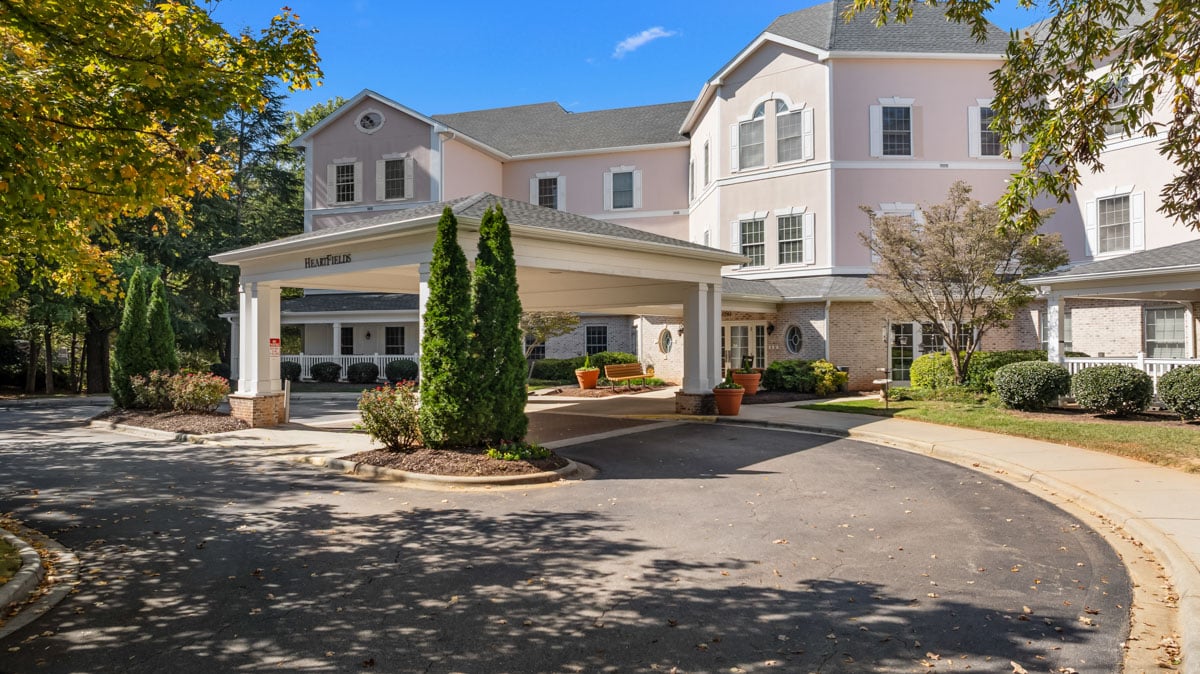
At HeartFields at Cary, we have an emergency call system so that our residents get prompt assistance from our 24-hour professional team. Get in touch with us today if you're interested in senior living in Cary, NC.