
For many families, the decision to move a loved one into memory care comes with both emotional and financial considerations. A home often represents more than financial value. It holds memories, stability, and a sense of identity. The good news is that paying for memory care without selling house is possible with the right planning.
By understanding available memory care financial options, families can create a strategy that supports quality care while preserving home ownership.
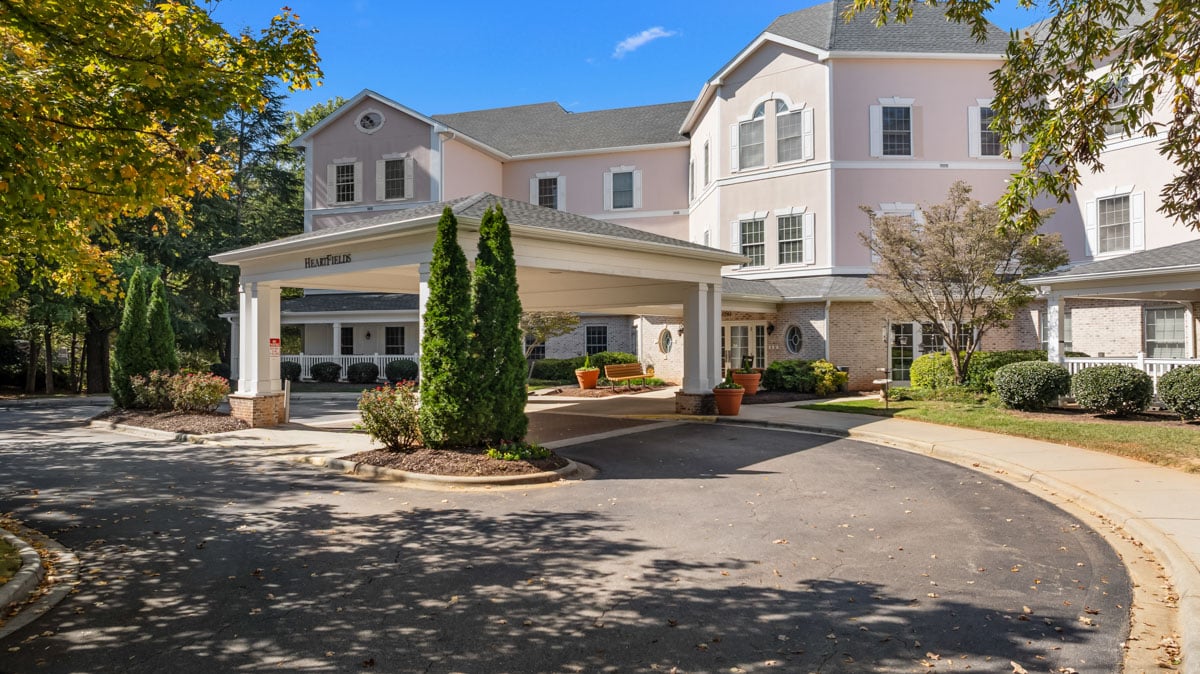
At Heartfields at Cary, families often begin this planning process while exploring how a supportive, engaging GLOW℠ Memory Care environment can meet their loved one’s daily needs in a setting built for comfort and connection.
Understanding Long-Term Care Insurance For Memory Care
Long-term care insurance can provide meaningful support when planning for memory care expenses. If your loved one has a policy, it may help cover a portion of monthly costs and reduce the need to rely on personal assets right away. This is often one of the first steps families take when evaluating long term care insurance memory care coverage.
When reviewing a policy, it's important to understand a few key details:
- Daily or monthly benefit amounts available for memory care
- The elimination period before benefits begin
- Total coverage limits and how long benefits last
- Any requirements related to cognitive conditions
Starting the claims process early can help avoid delays. Most policies require physician documentation confirming care needs, and planning for the waiting period ensures a smoother financial transition.
Veterans Benefits For Memory Care Support
Veterans and their surviving spouses may qualify for financial assistance through the Department of Veterans Affairs. Programs like Aid and Attendance can provide monthly payments that help offset the cost of care.
To qualify for veterans benefits for memory care, individuals typically need to meet:
- Wartime service requirements
- Income and asset guidelines
- A demonstrated need for help with daily activities
Because the application process can take time, it's best to begin early. One important advantage is that a primary residence is often excluded from asset calculations. This can make a meaningful difference for families focused on keeping house while paying for memory care.
Medicaid Memory Care Coverage Options To Explore
Medicaid is another option families may consider, especially as financial needs evolve. While coverage varies by state, many programs offer support for individuals who meet both financial and care-related qualifications.
Key factors to understand include:
- Income and eligibility requirements
- Look-back periods for asset transfers
- Protections for a spouse who continues living at home
- State-specific medicaid memory care coverage options
Because Medicaid rules can be complex, working with an elder law attorney can help families make informed decisions and protect important assets like the family home.
Using Home Equity Without Selling
For families who want to avoid selling their home, tapping into home equity can offer a practical solution. Options such as reverse mortgages or home equity lines of credit allow access to funds while maintaining ownership.
A reverse mortgage, for example, can convert a portion of home equity into usable income while allowing a spouse to remain in the home. Other lending options may work well for short-term financial needs or as part of a larger strategy. Each option comes with considerations, so professional guidance can help determine what aligns best with your goals.
Creating Income Through Rentals And Investments
Another approach to paying for memory care without selling house is generating income from existing assets. Some families choose to rent out the home, creating a steady source of income that helps cover monthly expenses while preserving ownership.
In addition to rental income, financial resources such as investments, retirement accounts, or annuities may also provide ongoing support. A thoughtful withdrawal strategy can help balance current expenses with long-term financial stability.
Building A Flexible Financial Strategy
In many cases, the most effective plan combines several funding sources. Families may begin with long-term care insurance, supplement with personal savings or rental income, and later transition to Medicaid if eligibility requirements are met.
This layered approach provides flexibility and helps extend available resources over time. It also allows families to adapt as needs change, without making immediate decisions about selling the home.
At Heartfields at Cary, families often explore these financial options while learning more about daily life in our GLOW℠ Memory Care neighborhood. Residents benefit from personalized routines, engaging programs, and a supportive environment that encourages connection and dignity.
Finding The Right Support At Heartfields At Cary
Choosing memory care is about more than finances. It's about finding a place where your loved one feels supported, respected, and comfortable each day.
At Heartfields at Cary, our team members provide thoughtful, personalized support through structured programs and meaningful daily experiences for residents living with dementia. Families gain peace of mind knowing their loved one is part of a community that prioritizes both well-being and connection.
Schedule a personalized tour today to learn how Heartfields at Cary can support your family while you explore the best financial plan for your needs.